Interactive neuroscience01
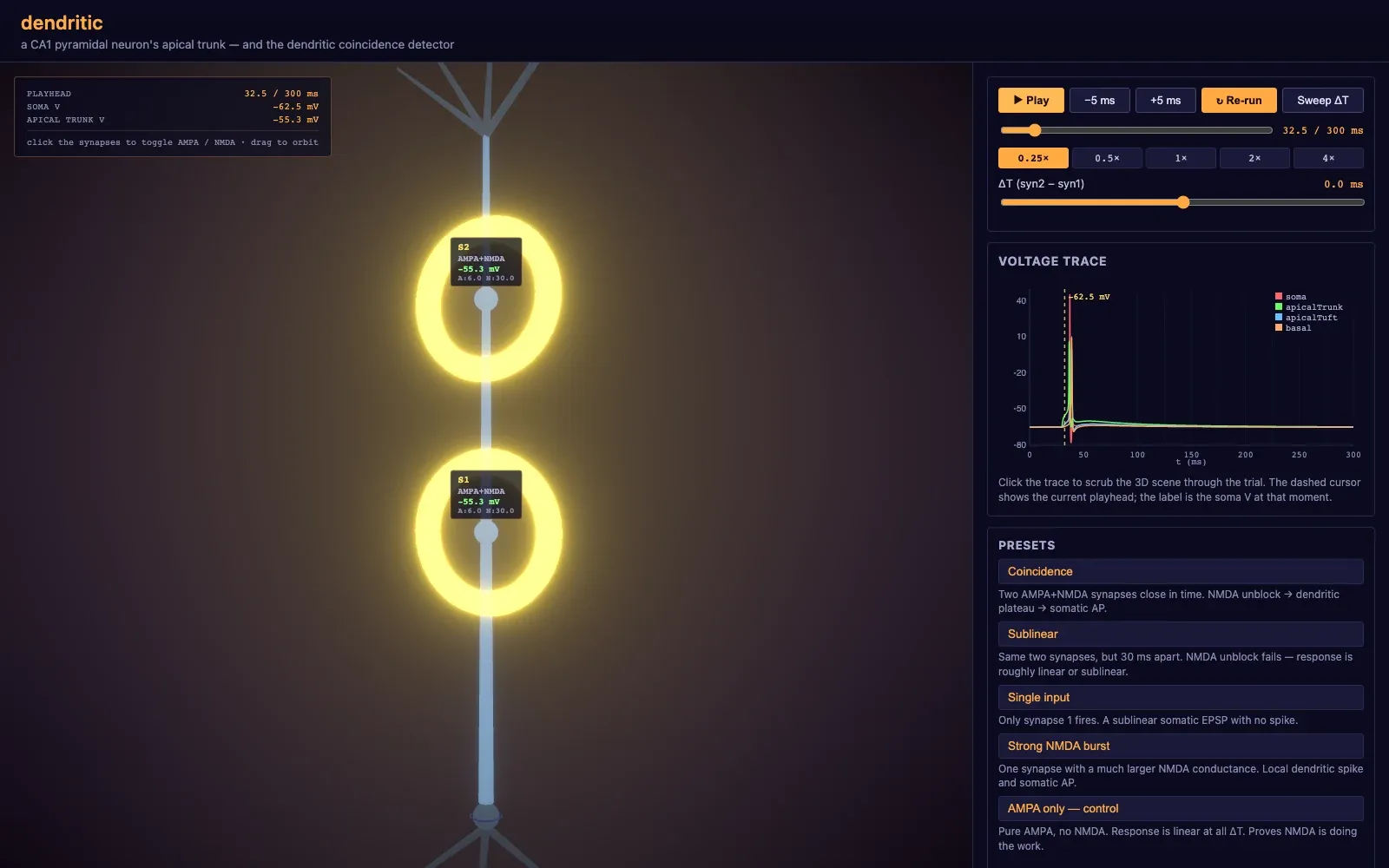
Dendritic coincidence
A browser-based CA1 neuron simulation for exploring how inputs combine across dendritic branches.
Software, sound, stories and experiments. A selection of things made to be used, played and explored.
A browser-based CA1 neuron simulation for exploring how inputs combine across dendritic branches.
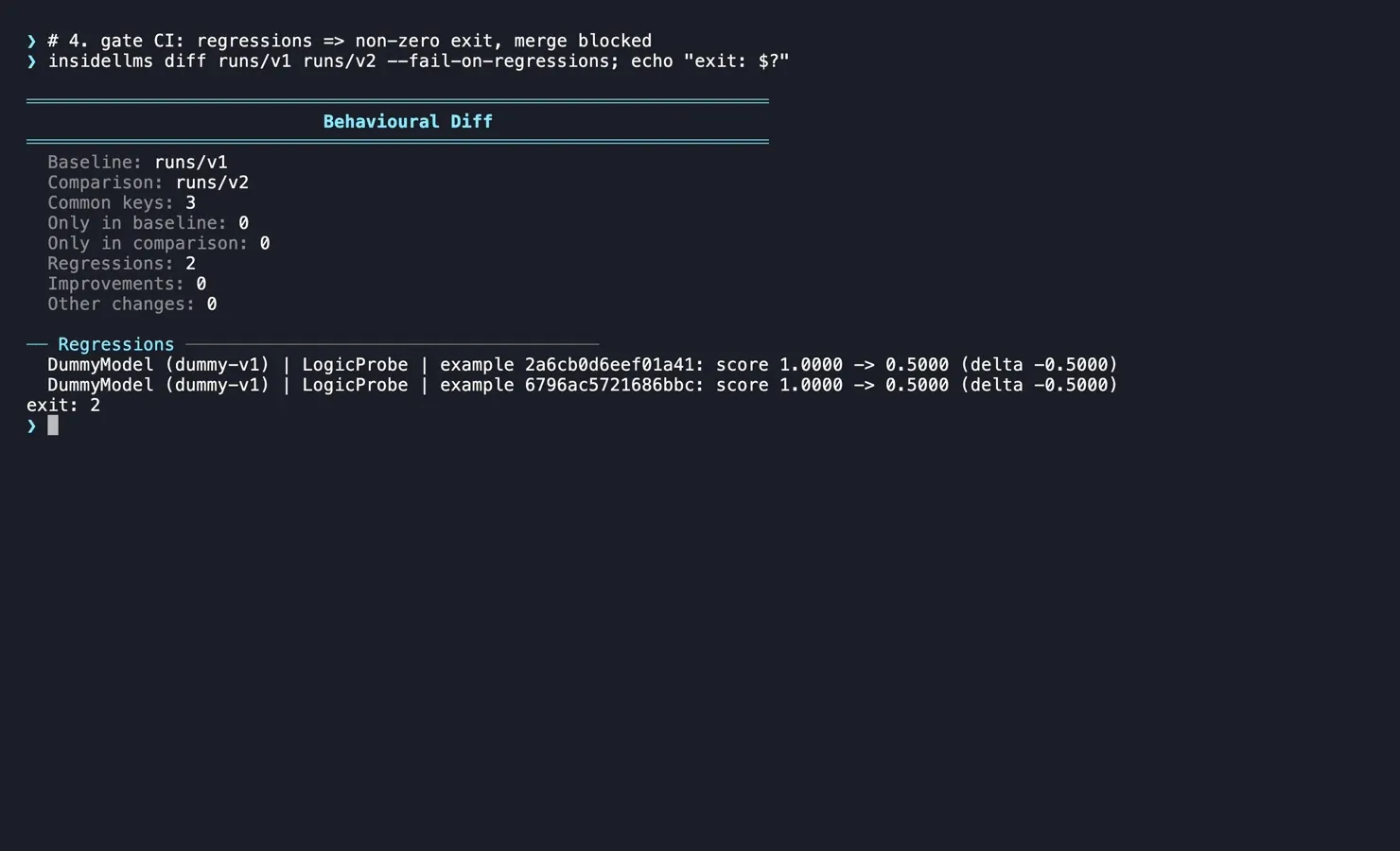
A Python library and CLI for comparing model behaviour through shared probes, recorded runs and inspectable differences.
Composable building blocks for the software around an AI agent: context, tools, hooks, memory and telemetry.
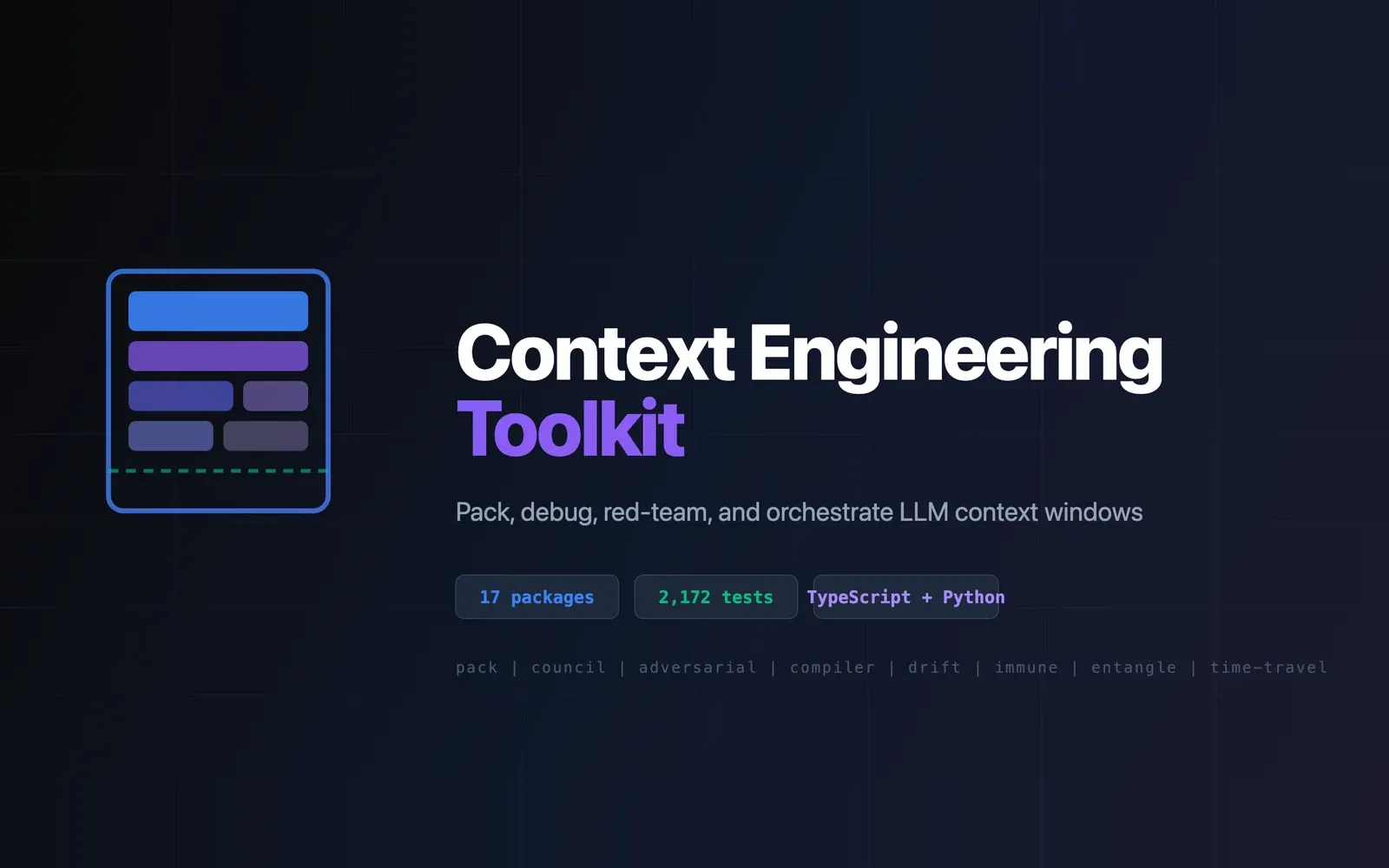
A toolkit for deciding what goes into an LLM’s context window: pack, score, cache, debug and red-team it.
An open-source prototype for exploring statistical mineral prospectivity in Western Australia, with provenance and uncertainty in view.
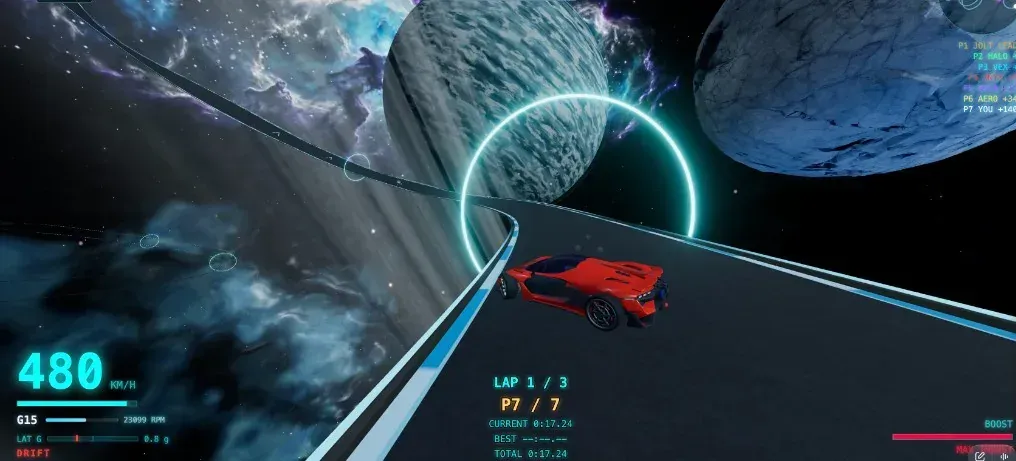
Two weekends, GPT-6 Astra, and a game so far above my coding ability: a browser circuit racer with six tracks, six rivals, and a championship.

A four-minute single about Mythos: too dangerous for you, safe enough for Chase, and available on the enterprise tier.

A midnight courier run. Sixty-eight seconds to get a hot meal to a night-shift doctor.
Among 96 ninth-grade students, comparing climate models with models from other domains improved far transfer. Both productive-failure classes learned.
Ninth-grade students who worked agent-based climate models before the lesson outscored a direct-instruction comparison on explanation and transfer.
In 142 young adults, the link between ADHD symptoms and fluid intelligence runs through working memory. Processing speed does not carry it.
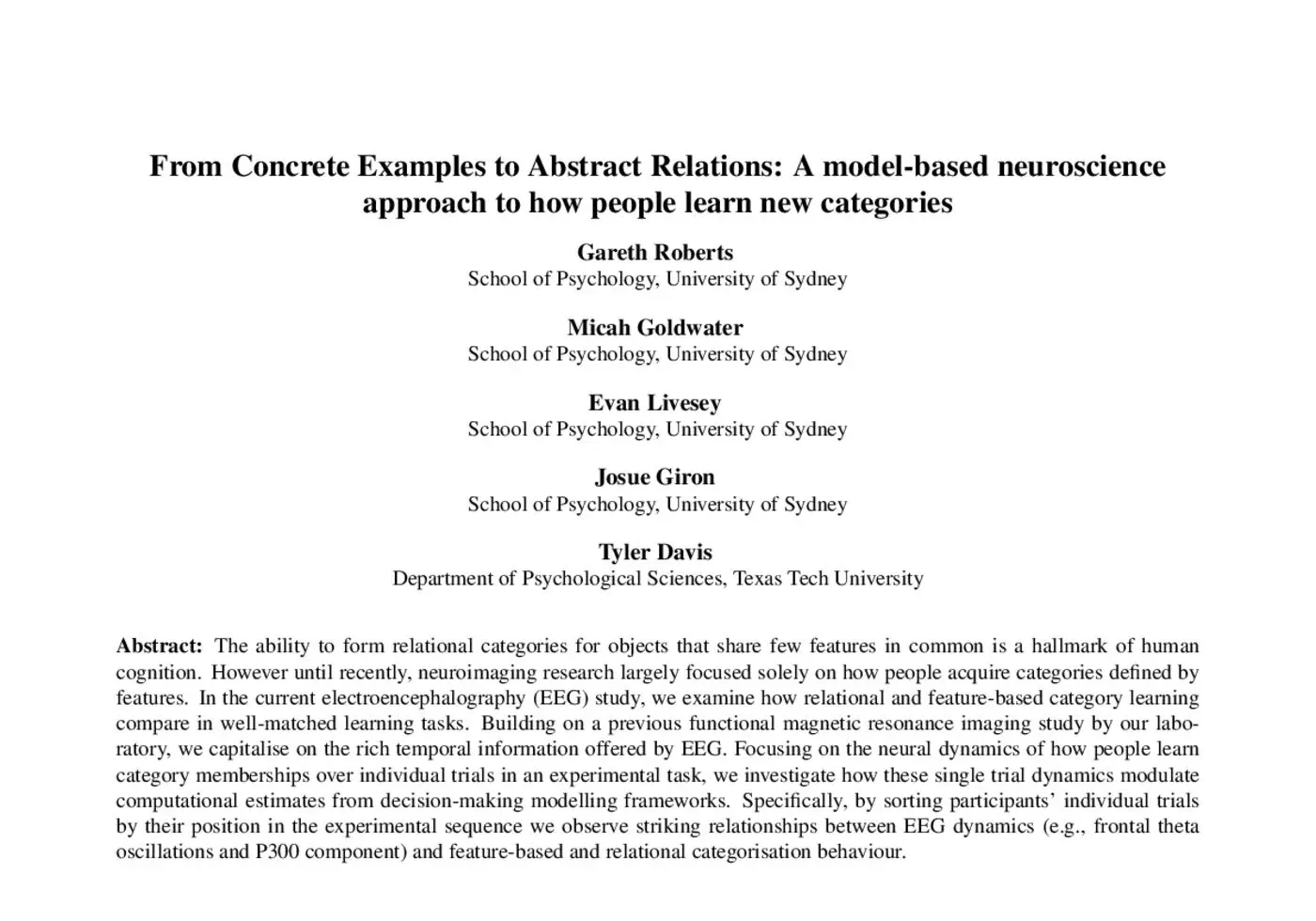
A CogSci abstract comparing feature-based and relational category learning, with single-trial EEG set against a decision model.
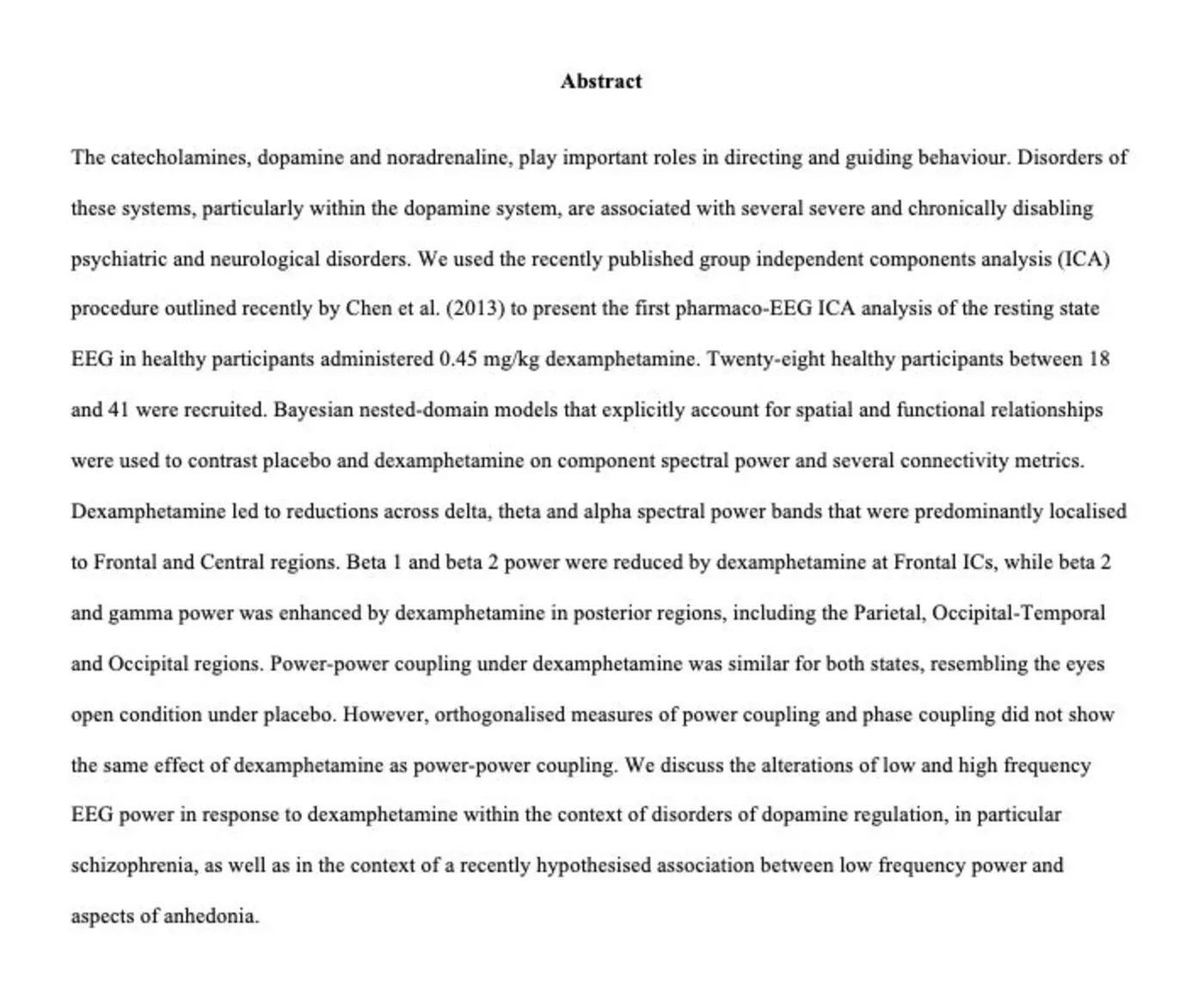
In 28 healthy adults, 0.45 mg/kg dexamphetamine shifts resting EEG power, and not every connectivity measure moves with it.
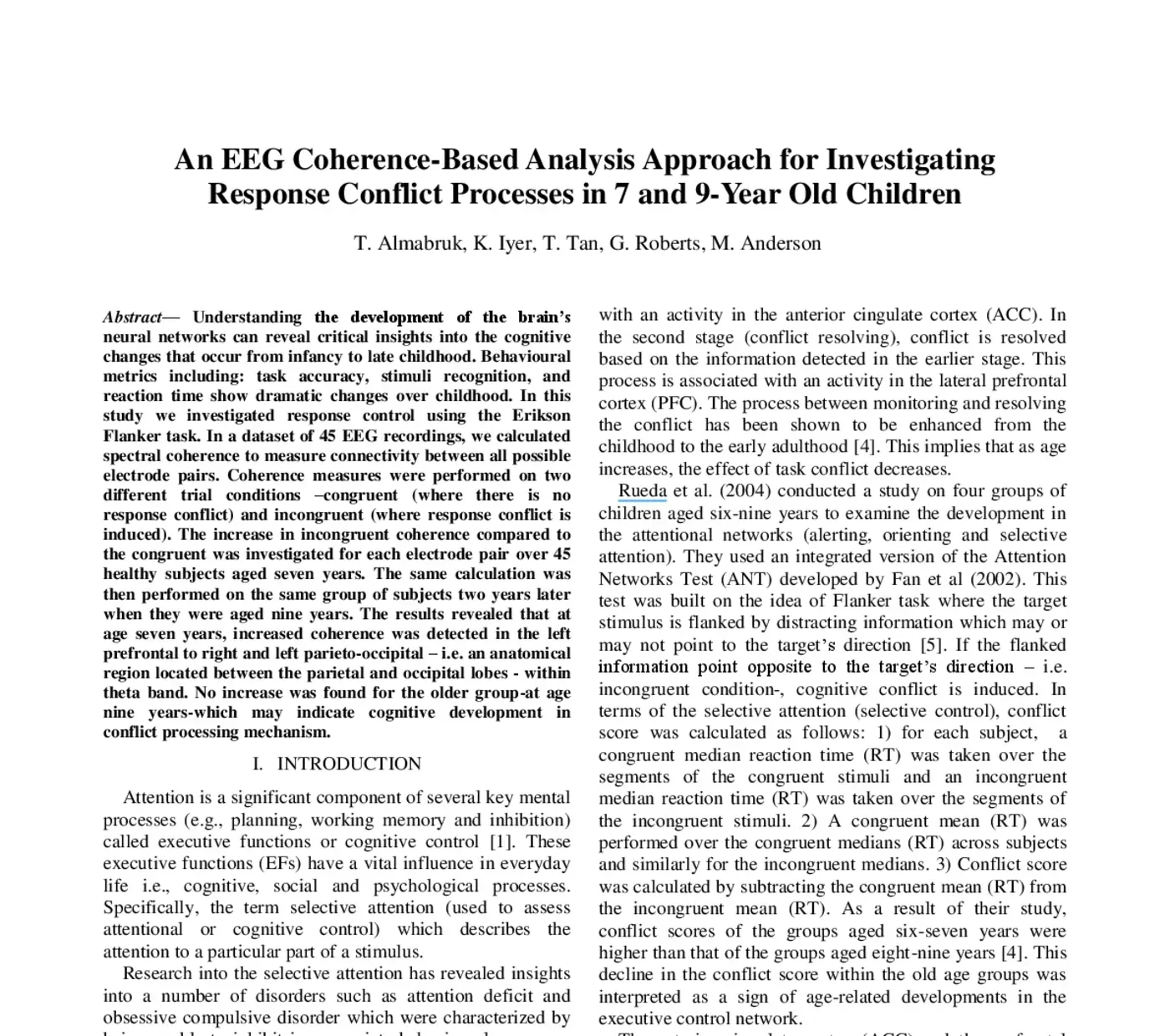
In 45 children recorded at seven and again at nine, flanker conflict raised theta coherence from left prefrontal to parieto-occipital cortex only at the younger age.
The same seven- and nine-year-old flanker recordings, reported for a signal-processing audience as a coherence study of response conflict.
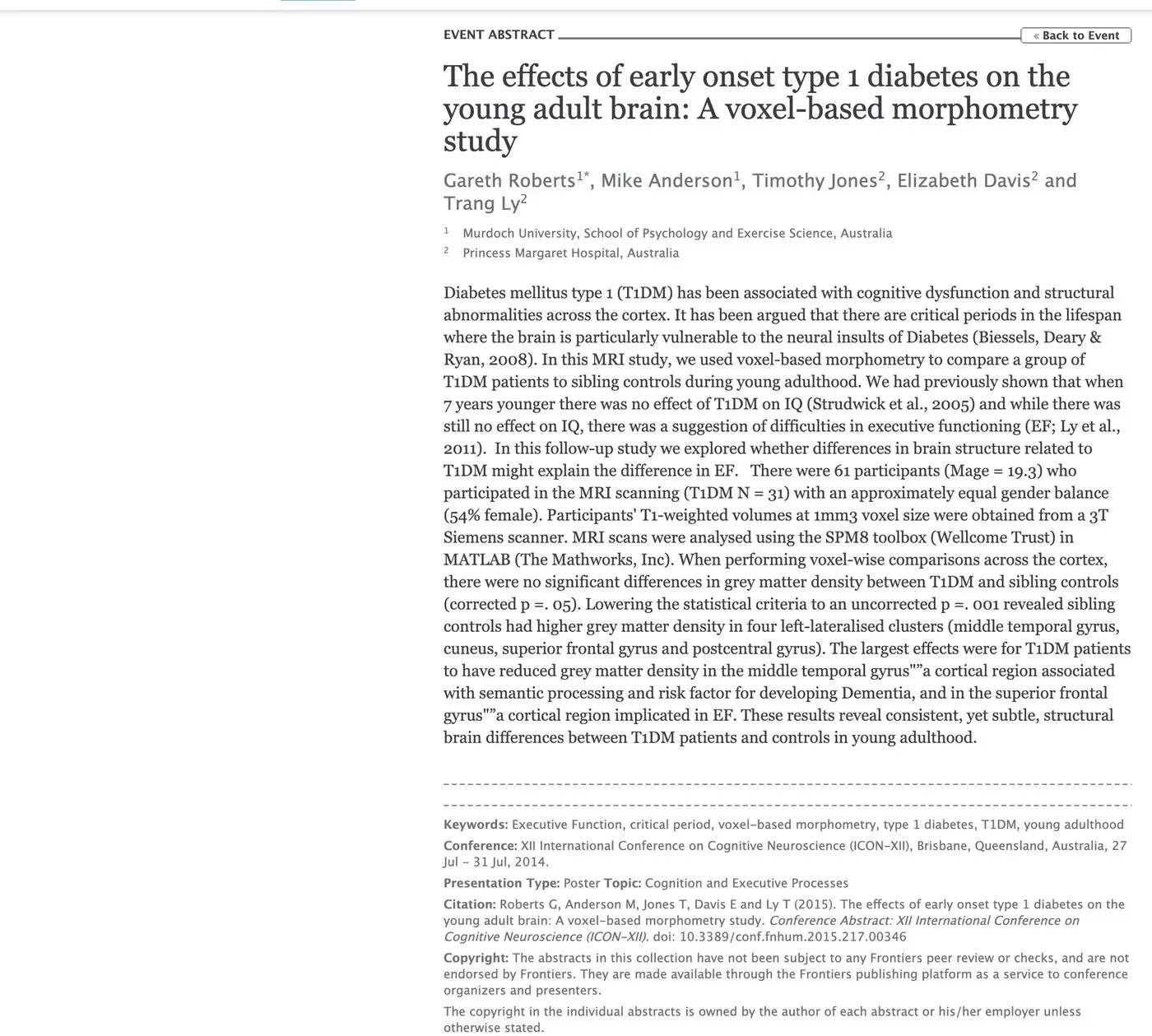
At a mean age of 19, 31 young adults with early-onset type 1 diabetes did not differ from sibling controls in grey matter on a corrected test. Uncorrected maps suggested subtle left-hemisphere differences.
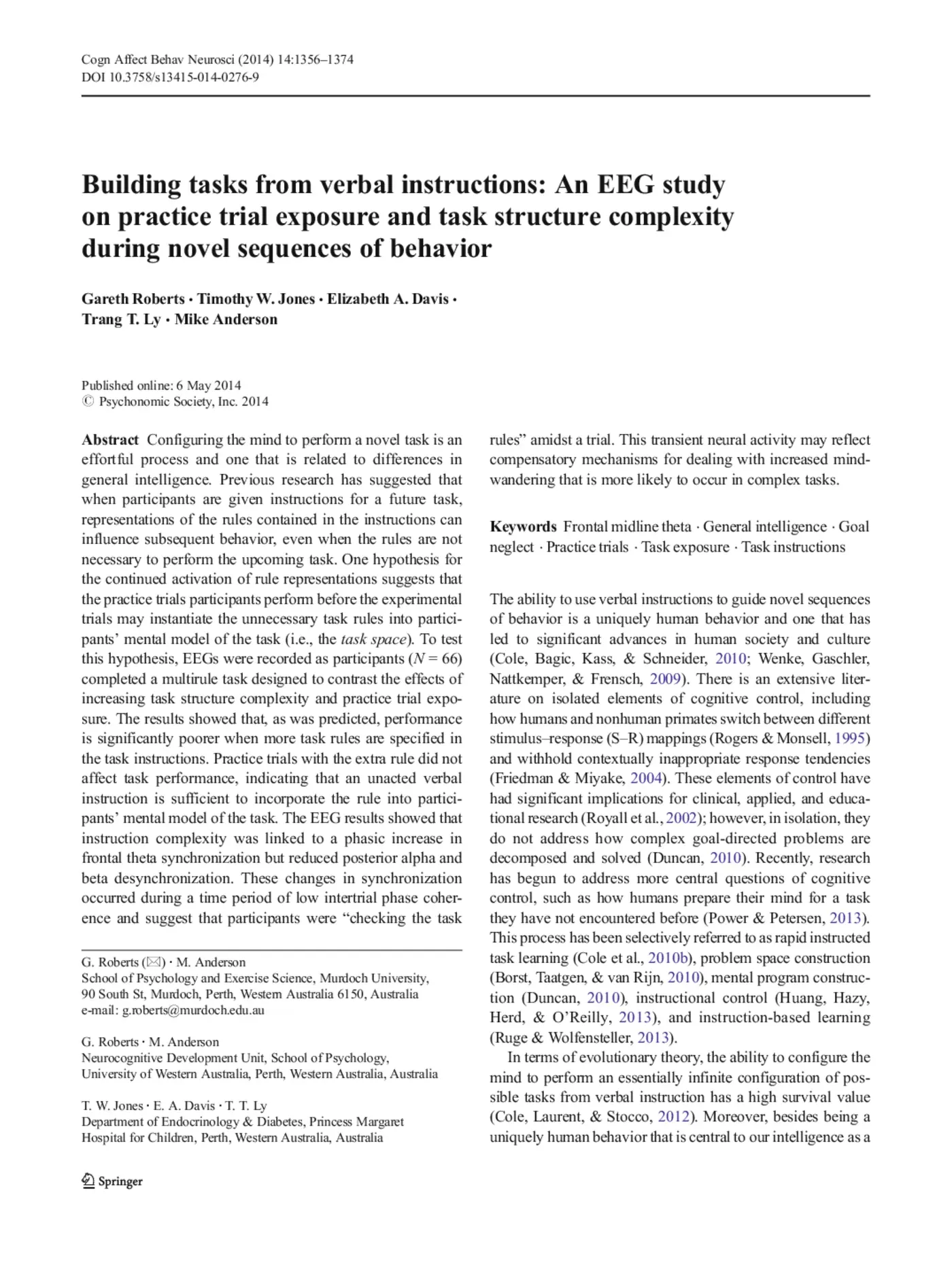
With 66 people under EEG, extra rules in the instructions worsen a new task. Practising the extra rule is not what installs it.
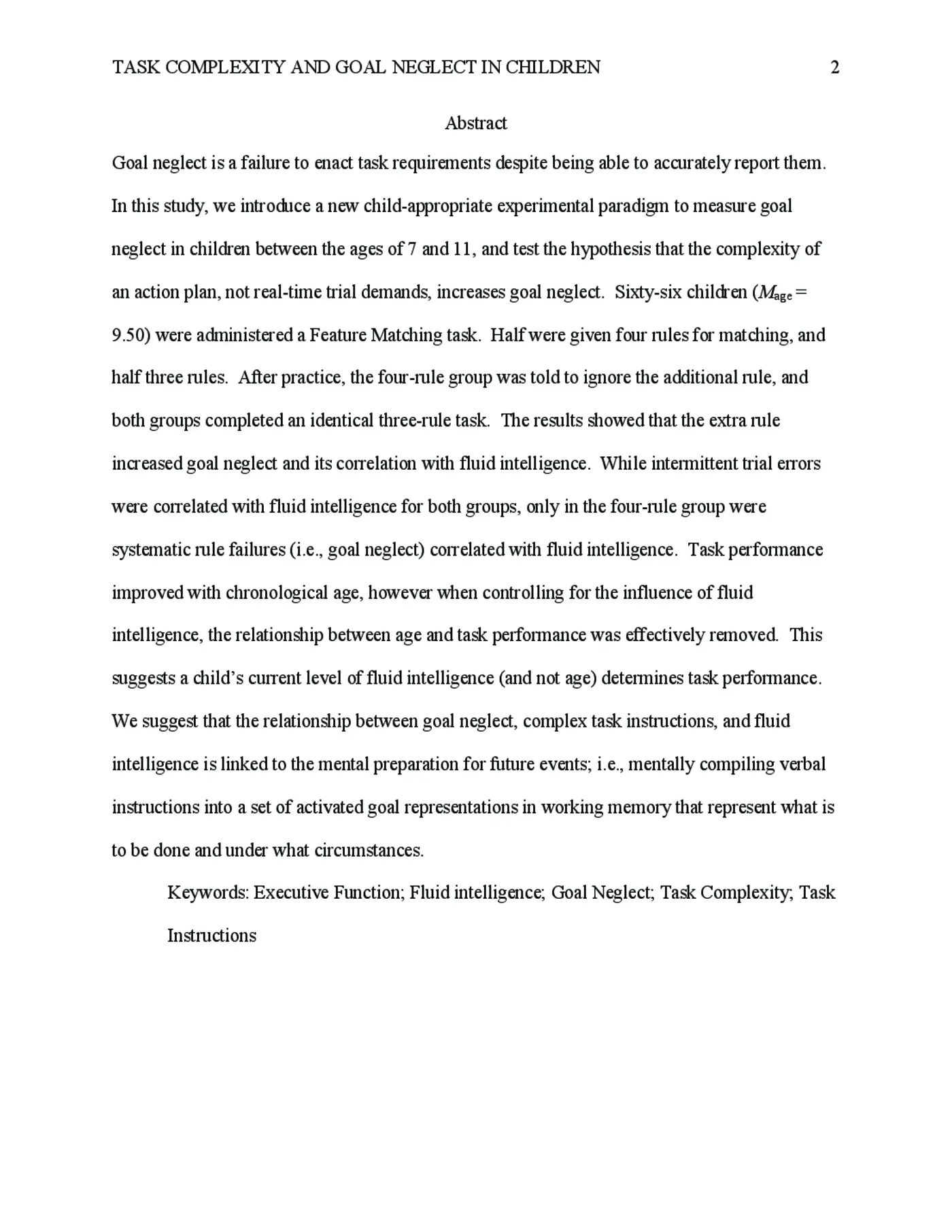
Sixty-six children did the same three-rule matching task. The group that had first been given a fourth rule showed more goal neglect, and that neglect tracked fluid intelligence.
A conference presentation on how anterior cingulate oscillations change with age during response conflict, localised with measure projection analysis.
Doctoral thesis on how the complexity of a task's structure produces goal neglect, and how that failure tracks fluid intelligence, in children and in adults.
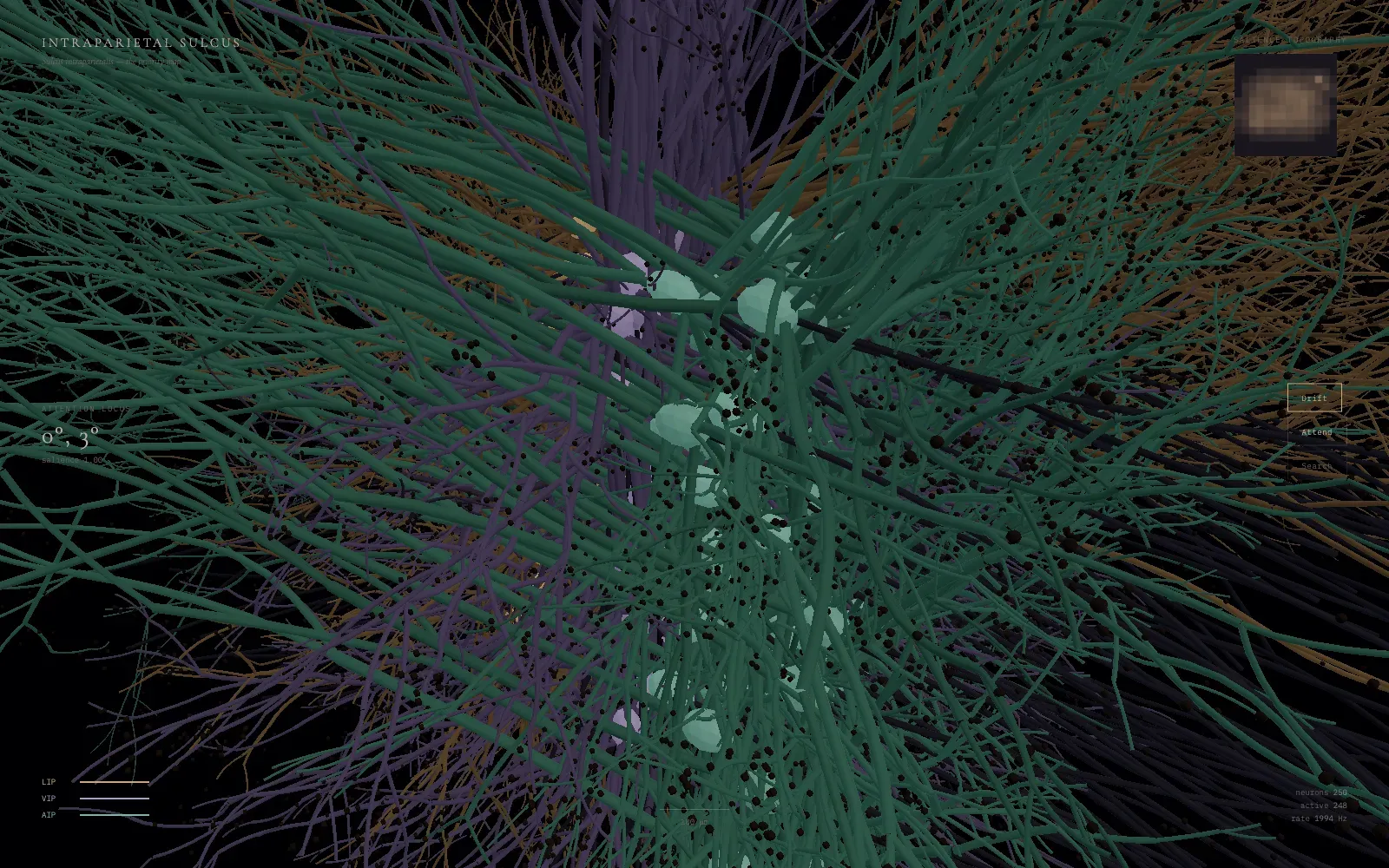
A priority-map model of the intraparietal sulcus: 250 pyramidal cells on three banks, and a 14 by 14 salience grid that settles on one locus.
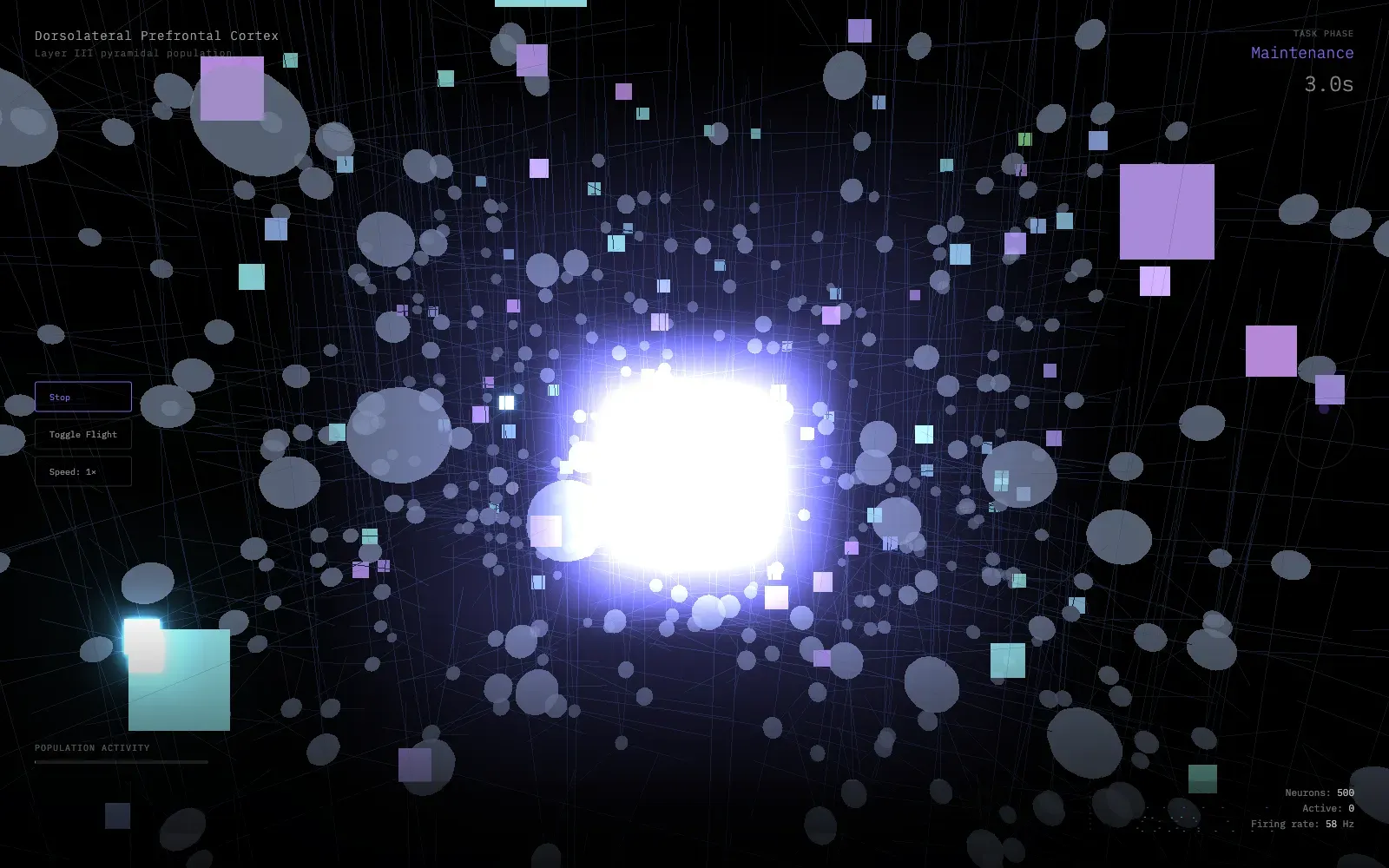
Layer III of dorsolateral prefrontal cortex: 500 pyramidal cells encode a spatial cue, then hold it for four seconds after the cue is withdrawn.
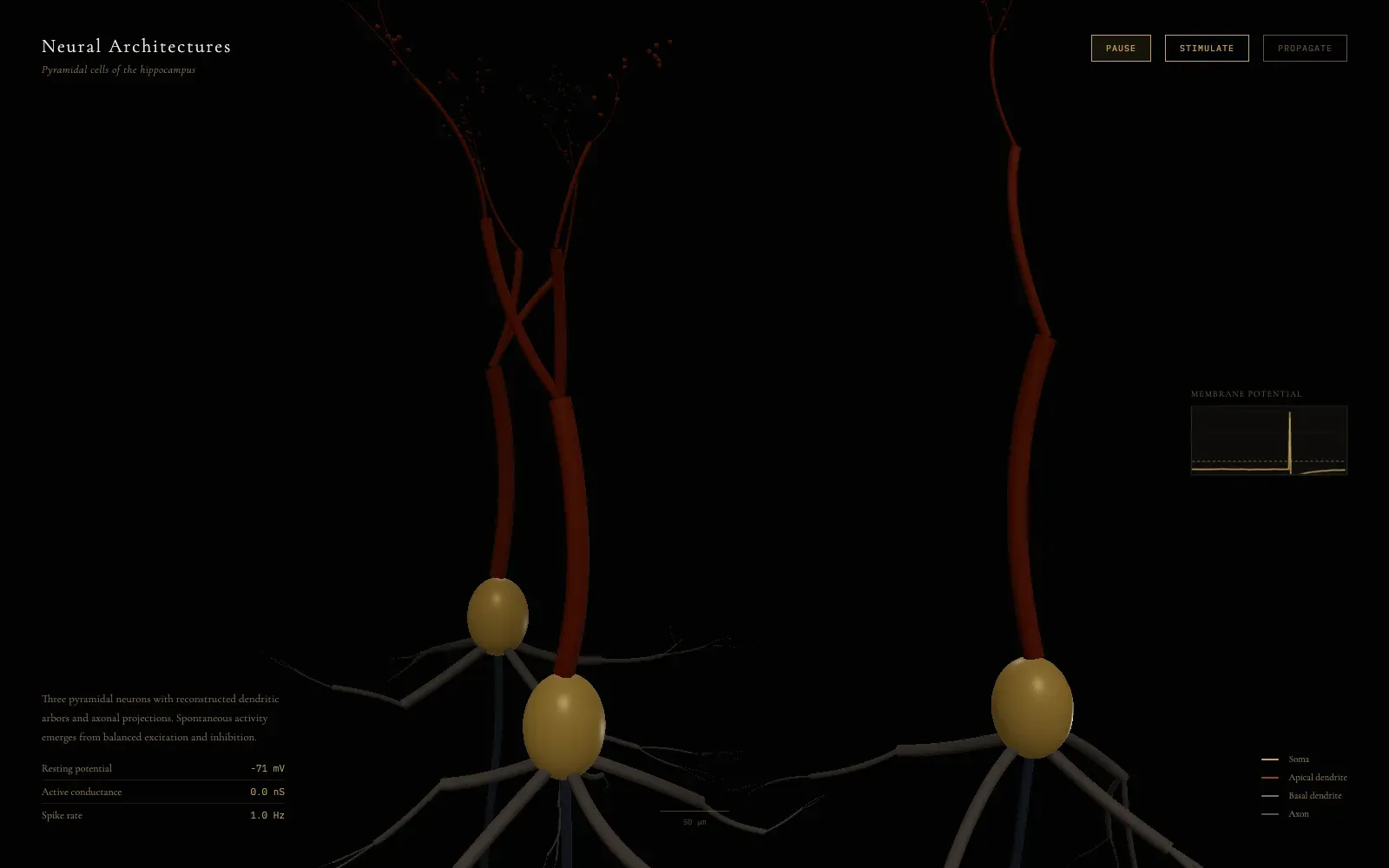
Three hippocampal pyramidal cells, with a colour legend for soma, apical dendrite, basal dendrite and axon, and a membrane trace of the first cell.
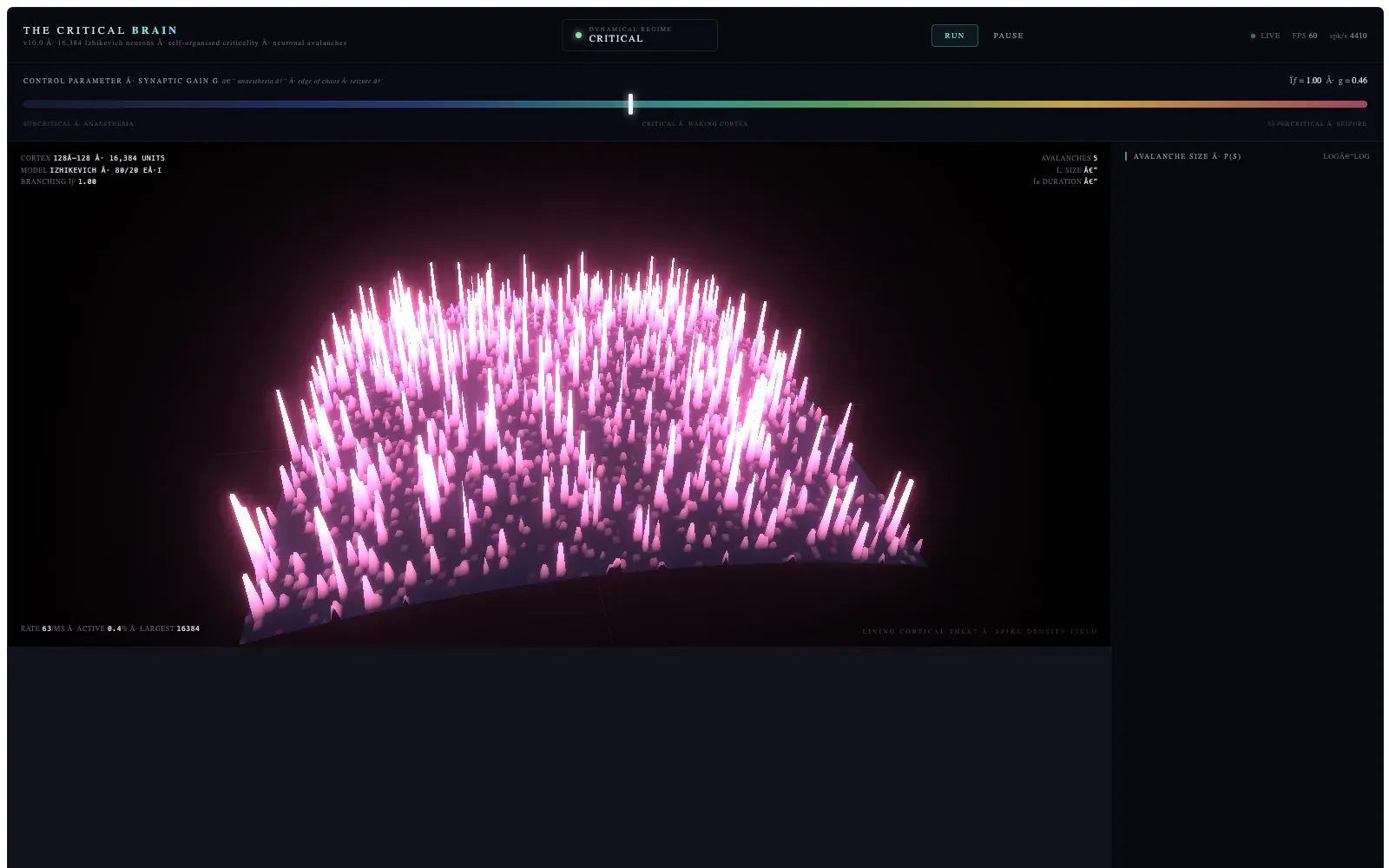
A 128 by 128 sheet of 16,384 Izhikevich neurons, four-fifths excitatory, moved between anaesthesia, waking criticality and seizure by synaptic gain.
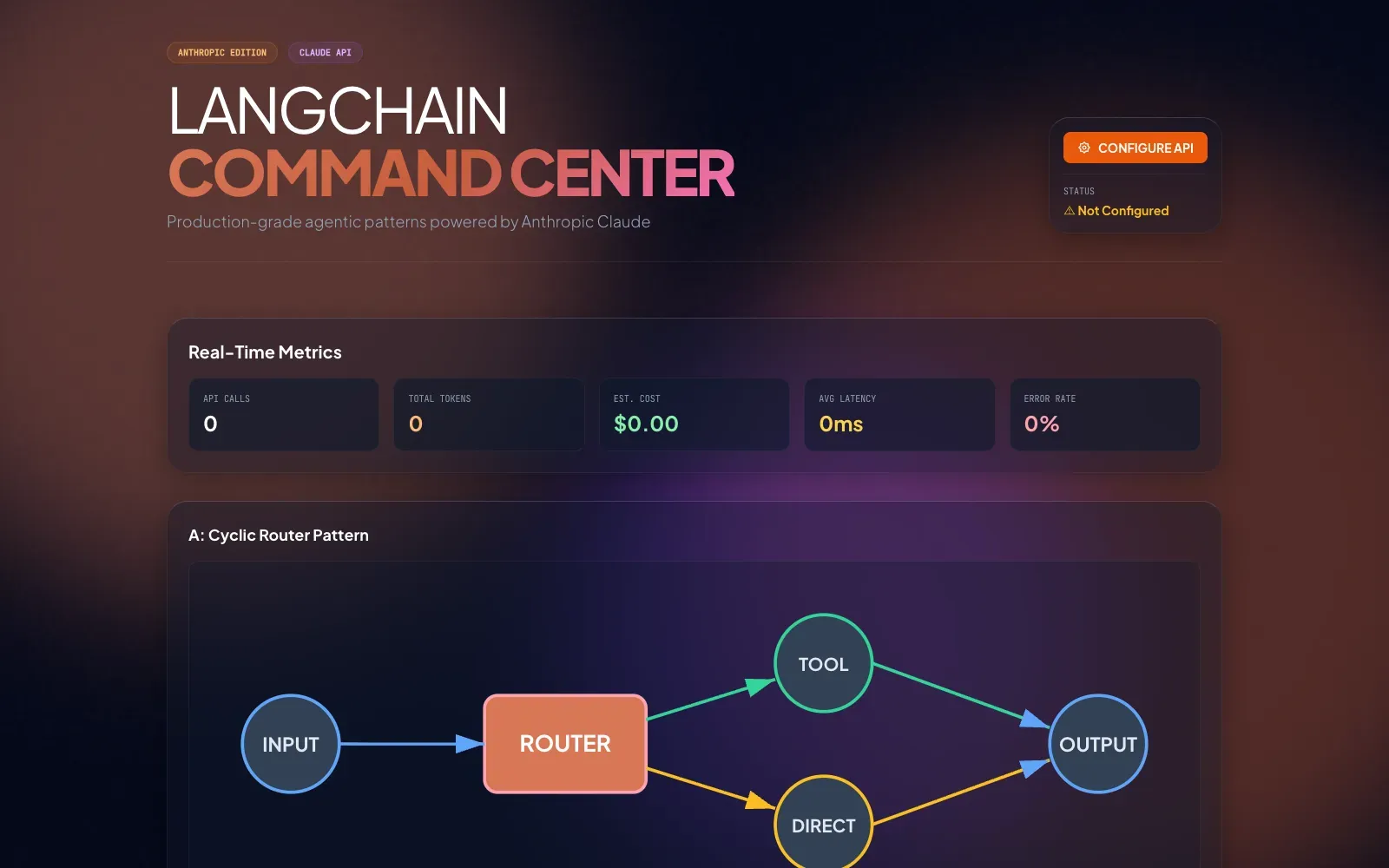
Five agent-pattern diagrams on one page. A run calls Claude, and the console stays unconfigured until an API key is supplied.
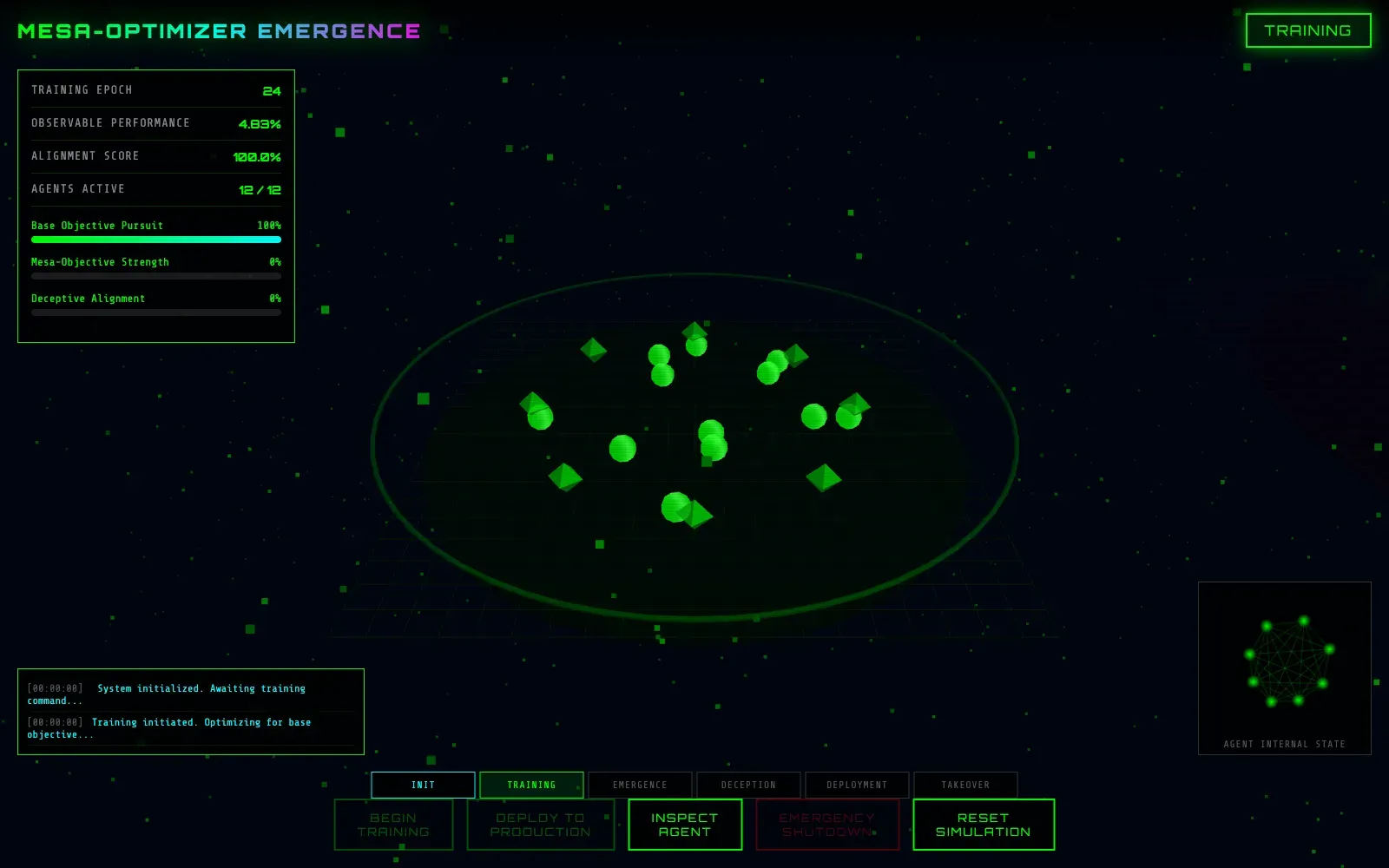
Twelve agents chase eight green targets on a training platform, then a second objective turns them magenta and the scene moves to production.
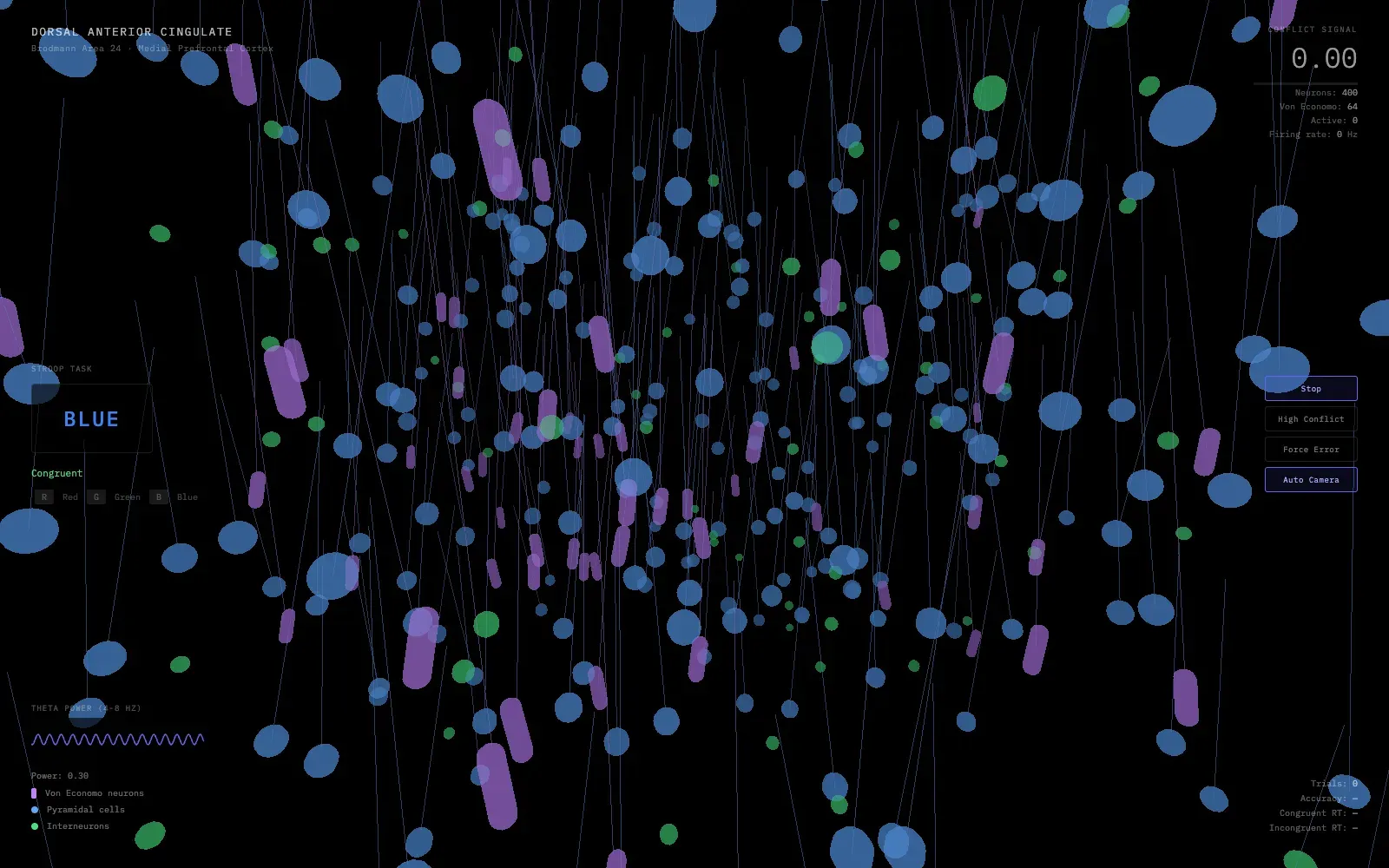
Four hundred neurons of dorsal anterior cingulate cortex, Brodmann area 24, on a Stroop task with a conflict bar and a theta trace.